
Posts by BackSass
Social Media is a Foreign Policy Problem Now

For years, diplomats and analysts treated social media as a sideshow: a noisy but ultimately secondary arena where people shared cat videos and occasionally overreacted to headlines. Meanwhile, authoritarian states, extremist movements, and a cottage industry of influence consultants treated it for what it has become—a central battle space in global politics where narratives are…
Read MoreThe Great University Unmasking

For decades, Western universities sold themselves as the custodians of Enlightenment values: reason, open inquiry, and the pursuit of truth unburdened by dogma. The sales pitch worked; governments wrote checks, parents emptied savings, and students took on ruinous debt for a chance to be formed in these elite institutions. Then, under the pressure of a…
Read MoreClimate Policy Without Adult Supervision
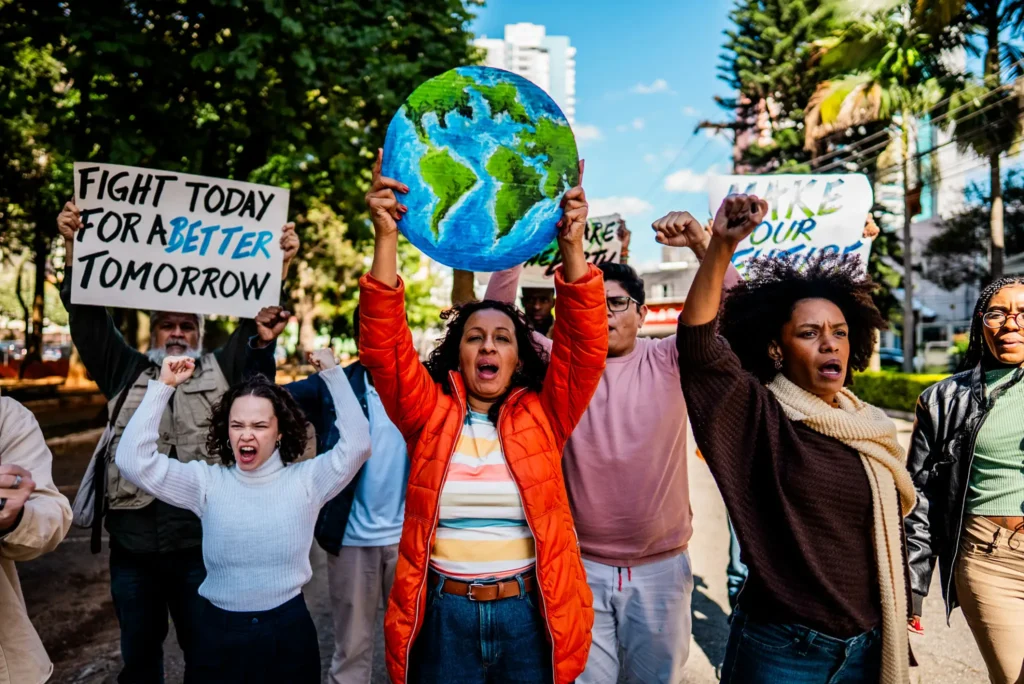
Climate change is a serious problem being addressed, in many capitals, with unserious politics. On one side, you have apocalypse entrepreneurs whose business model depends on permanent crisis, every storm, fire, or heatwave repackaged as final proof that we are “out of time.” On the other, you have professional deniers who’ve built a cottage industry…
Read MoreThe West’s New Isolationism: Comfort Masquerading as Principle

In the 1990s, Western foreign policy elites convinced themselves that history had effectively been tamed. Dictators would liberalize once they had McDonald’s and broadband; expansionist wars were relics of black-and-white newsreels. The “end of history” cliché was mocked, even as it quietly shaped the worldview of the people running things. Now that revisionist powers are…
Read MoreThe Politics of Exhaustion

One of the most revealing phrases in contemporary politics is also one of the simplest: “I’m tired.” You hear it from voters interviewed outside polling stations, from protestors at the end of long marches, from pundits lamenting “polarization,” and from politicians insisting they are “exhausted by war,” “drained by division,” or “fatigued” by obligations abroad.…
Read MoreWhen Borders Don’t Match Nations
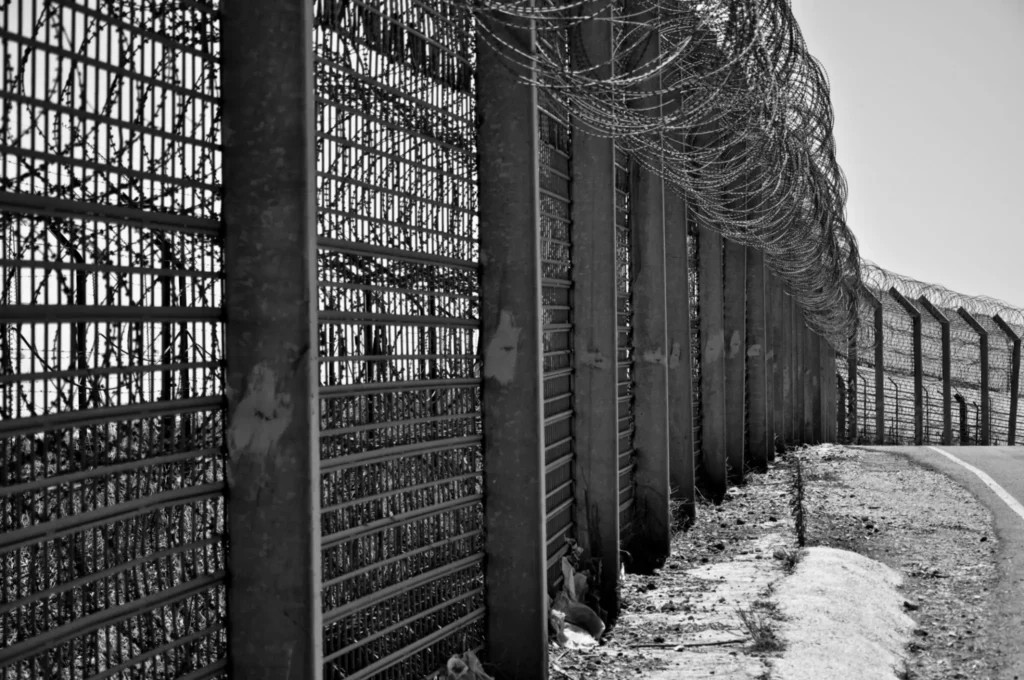
On a map, borders look clean. A crisp line separates one color from another; a label signifies a “country.” But anyone who has spent time in the fault lines of global politics knows how deceptive that clarity can be. Many of the world’s most persistent conflicts stem from a simple, stubborn fact: the borders states…
Read MoreThe Illusion of the “Global Conversation”

Scroll through any major social platform, and you’ll quickly encounter a comforting phrase: the “global conversation.” It suggests that, for the first time in human history, billions of people are engaged in a shared, cross-border dialogue about politics, culture, and crisis. The idea is seductive. It is also, in important ways, untrue. To be sure,…
Read MoreThe New Fragility of Great Powers

The old picture of a great power was simple: massive armies, deep coffers, and the confidence that history was on its side. Today, the most powerful states on earth still possess staggering military and economic might, but they are afflicted by something strange and new: a pervasive sense of fragility. They behave not like unshakable…
Read More